A mountain storm shouldn’t mean a dark house.
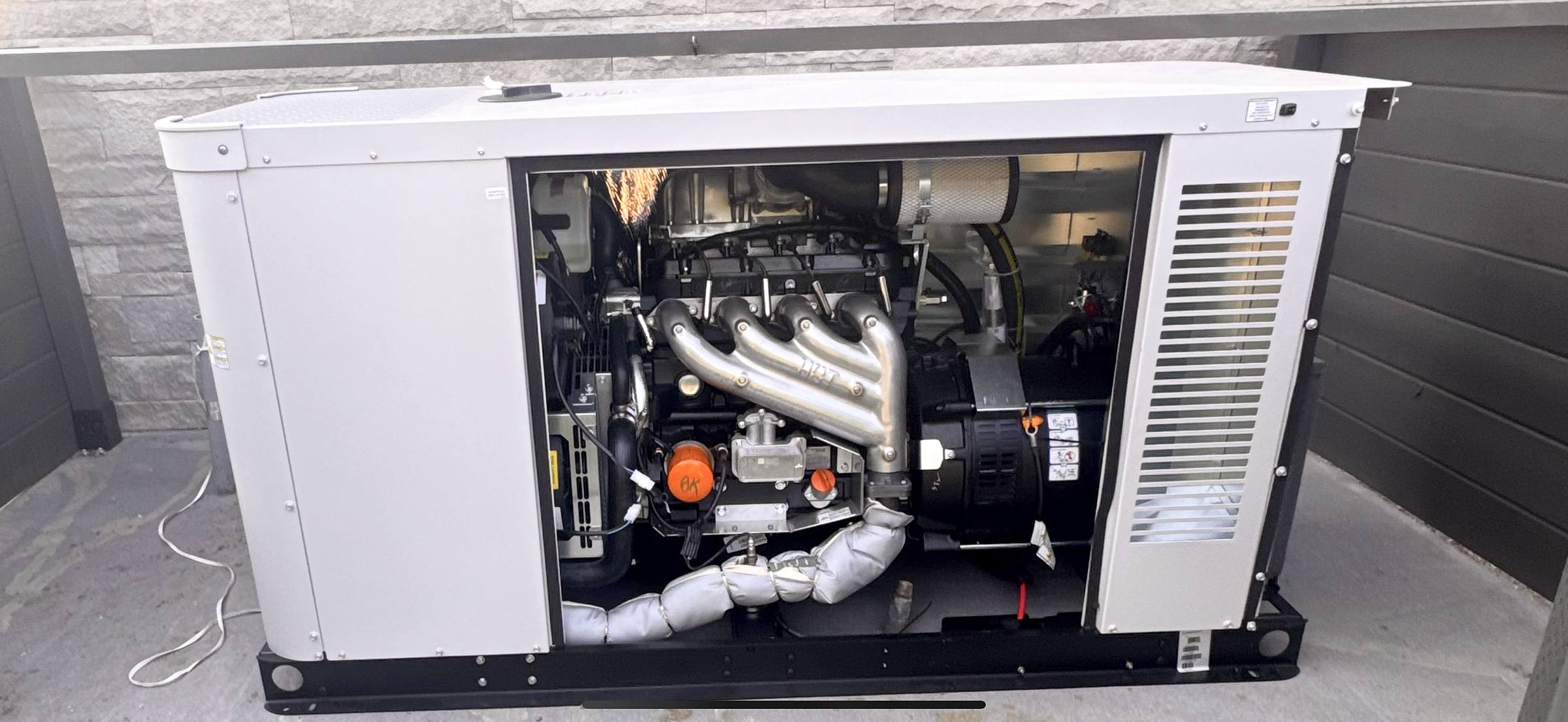
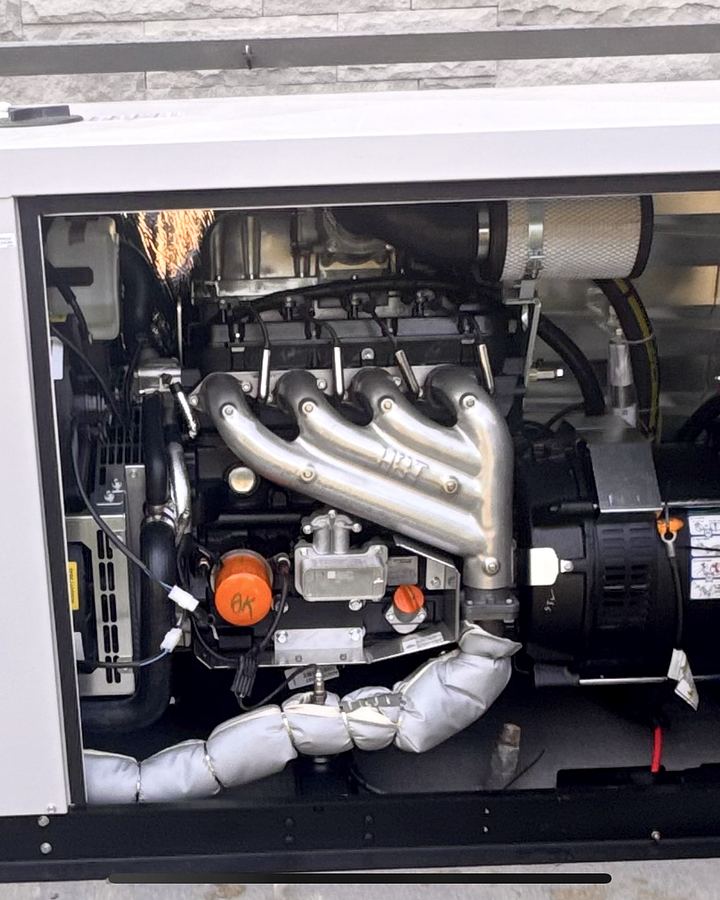
Generator systems sized, installed, and wired by the same team that built the home’s electrical — so the right circuits stay on when the grid goes down.
Backup power, sized for the home.
Winter outages happen. The question is what stays running when they do.
We size generator systems to the home’s actual loads, install and connect them, and plan which circuits matter most — heat, network, security, refrigeration, and anything else you can’t be without.
We work across Park City and the Wasatch Back, including Promontory and Tuhaye, on new builds, remodels, and one-off upgrades alike.
Designed, installed, and supported by one team.
Load planning
We work out what needs to stay powered and size the system to match.
Generator installation
Placement, installation, and connection coordinated with the rest of the electrical work.
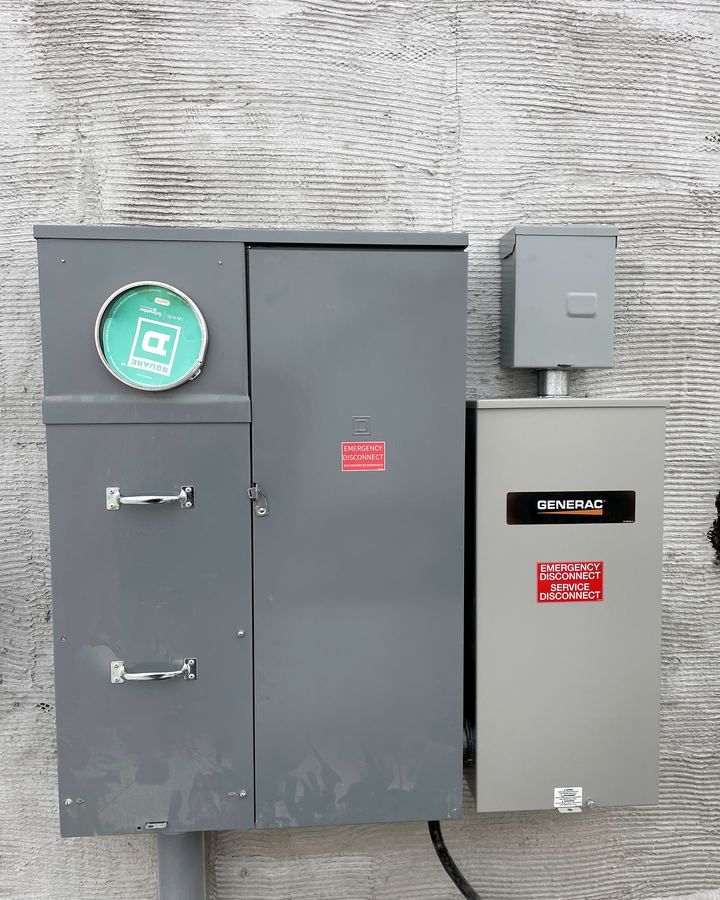
Automatic transfer
Power switches over to the generator on its own when utility power drops.
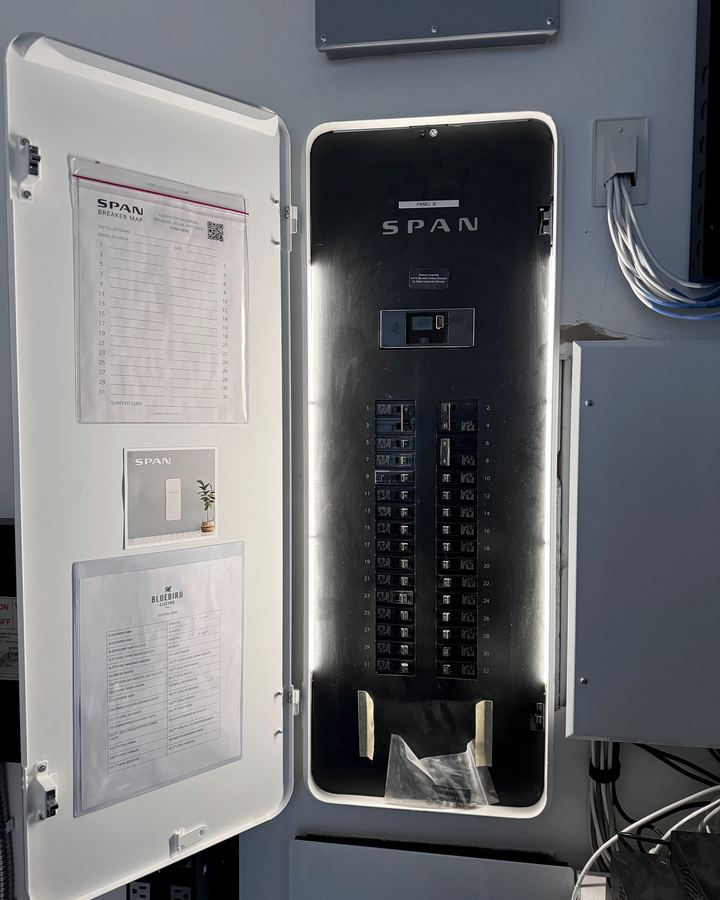
Critical circuits
Heat, network, security, and refrigeration prioritized so the house stays safe.
Stay connected
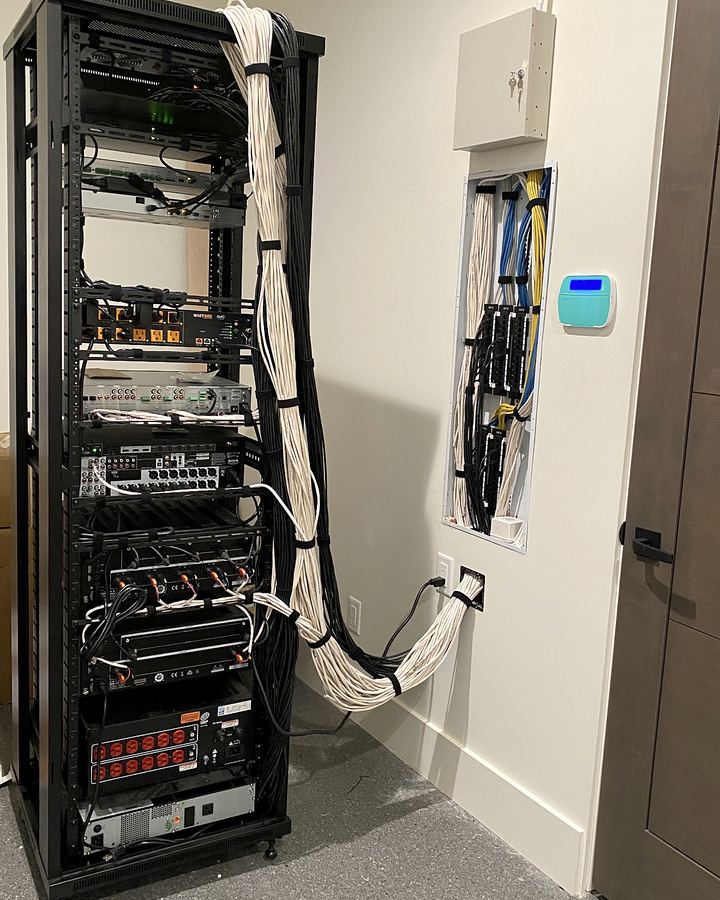
Network and security kept online through an outage, so you can still check on the house.
New & existing homes
Designed into new builds or added to homes that are already finished.
Where it shows up.
Backup power questions.
How much does a standby generator cost?
As a planning guide: a standby generator with transfer switch typically runs $20,000 to $35,000, a whole-home generator with load management $35,000 to $65,000, and solar with battery storage $60,000 to $120,000.
What size generator do I need?
It depends on what needs to stay running. We size the system to the home’s actual loads and prioritize heat, network, security, and refrigeration.
Does the generator turn on by itself?
Yes. An automatic transfer switch moves the home to generator power on its own when utility power drops.
Can a generator be added to an existing home?
Yes. We design backup power into new builds and add it to homes that are already finished.